Where to Start the Digital Transformation Process?
- Where to Start the Digital Transformation Process
- Digitalization Cannot Begin Without Assessing the Current State
- Goals Must Be Clear in Digital Transformation
- Processes Must Be at the Center
- Choosing the Right Technology Is a Strategic Decision
- The Importance of Data Collection and Analytical Infrastructure
- The Role of Human Resources and Cultural Transformation
- Digital Transformation Is Not a One-Time Project
- The Power of Moving with a Strategic Roadmap
- Frequently Asked Questions
- Are digital transformation and digitalization the same thing?
- Where should digital transformation start?
- Are large budgets necessary for digital transformation?
- What does digital transformation cover?
- Should small and medium-sized enterprises undergo digital transformation?
- How long does the digital transformation process take?
- What is the most common mistake made in digital transformation?
- Why is data so important in digital transformation?
- Is it necessary to get external support for digital transformation?
Where to Start the Digital Transformation Process
Digital transformation is not limited to just purchasing software or being active on social media. This process requires a fundamental restructuring of how businesses operate, how they make decisions, and how they build relationships with customers. Many businesses want to start their digital transformation but often find that not knowing "where to start" becomes the biggest obstacle. Digital transformation processes carried out without a plan or foresight result in losses of both time and budget. Therefore, to build a solid foundation for digital transformation, one must first focus on the current structure of the business rather than the technology.
Digitalization Cannot Begin Without Assessing the Current State
The first and most critical step of digital transformation is to comprehensively analyze the current state of the business. Questions such as which processes are running manually, where time and human resources are being lost, and which data is missing or incorrectly measured must be answered. Any move made before this process takes place is destined to remain incomplete.
At this stage, the primary goal is to clearly answer the question: “What do we need?” Otherwise, businesses face problems such as unnecessary software purchases, idle systems, and team members who cannot adapt to these systems.
Goals Must Be Clear in Digital Transformation
Every business has different expectations and goals for digital transformation. Some businesses focus on operational efficiency, while others want to increase sales or improve the customer experience. However, investments made without clearly defined goals can neither be measured nor managed.
The goal could be to increase sales, reduce costs, provide faster service, or make data-driven decisions. However, these goals must be concrete and measurable. "Being more digital" is not a goal on its own and a strategy cannot be built upon it.
Processes Must Be at the Center
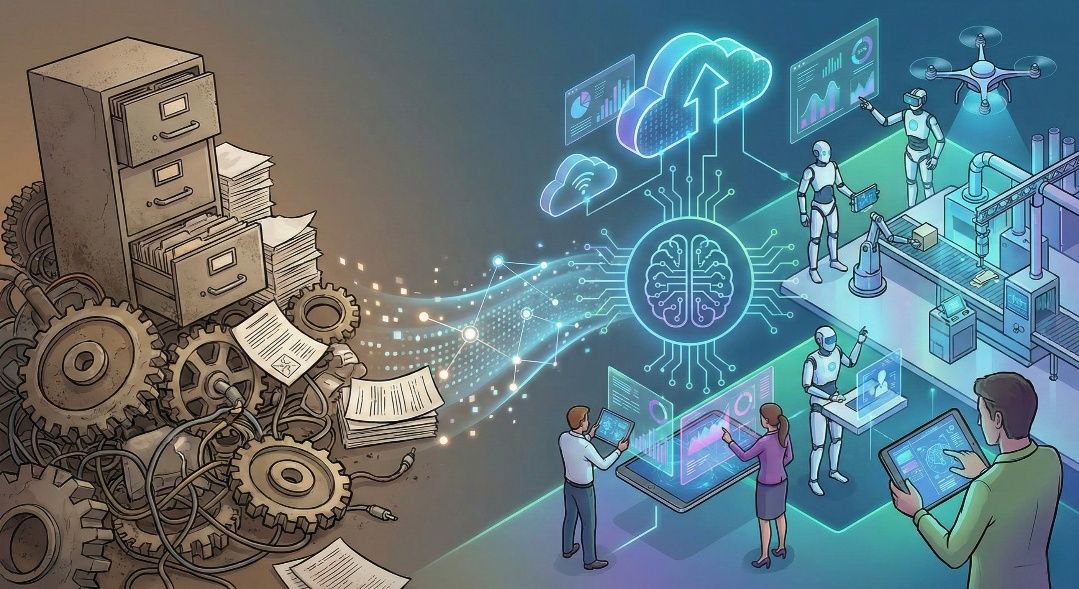
The most common mistake is defining digital transformation solely through technological tools. In reality, digital transformation begins with simplifying and standardizing existing processes. Instead of digitalizing a complex process, it must first be clarified; because a digitalized mess only turns into a chaos that moves even faster.
The ideal roadmap is to first make processes clear and functional, and then deploy appropriate technological solutions to support these processes. Otherwise, technology becomes a burden rather than a solution.
Choosing the Right Technology Is a Strategic Decision
Although the digital transformation journey is a critical step for businesses to keep up with the future, the success of this process is only possible with the right strategies. The software used in the transformation must be in harmony with the scale, goals, and long-term plans of the business. While large-scale enterprise solutions can create unnecessary complexity for small and medium-sized businesses, insufficient systems will fall short of supporting growth targets. The essential point is to choose a system by thinking not just about today, but about the next few years, prioritizing suitability over popularity or low cost.
The Importance of Data Collection and Analytical Infrastructure
Data lies at the heart of digital transformation, and any process that is not developed cannot be measured. Websites, e-commerce infrastructure, CRM systems, advertising platforms, and other operational tools must work in integration to produce meaningful data. However, merely collecting data is not enough; this data must be read and analyzed correctly and integrated effectively into the decision-making mechanism. If reports only pile up and no action is taken, all systems become dysfunctional.
The Role of Human Resources and Cultural Transformation
Digital transformation should not be seen as a solely technology-oriented process. If employees are not ready for this change, even the best systems will not yield the desired results. It is critical for teams to adapt to new technologies, embrace processes, and gain the habit of working based on data. Therefore, to ensure the success of the digital transformation process, employees should be supported through training programs and strong internal communication channels. A transformation that meets resistance cannot be sustainable; therefore, a solid foundation must be created culturally.
Digital Transformation Is Not a One-Time Project
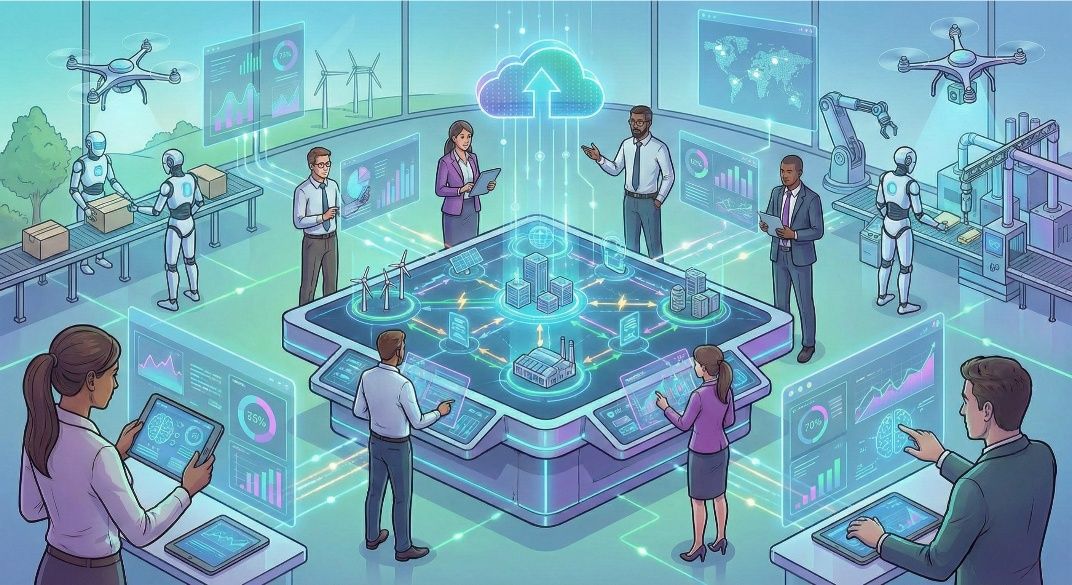
Digital transformation is a dynamic process that has a starting point but no end. Since technologies, user behaviors, and market conditions are constantly changing, the transformation should be built on a flexible rather than a static structure. Moving step-by-step, testing, measuring, and improving are the fundamental principles of this process. Attempting to change everything at once often results in failure. Therefore, moving with small and applicable steps will be healthier.
The Power of Moving with a Strategic Roadmap
Success in digital transformation is brought about by a strategic plan, not speed. The timing of the steps to be taken, the correct organization of resources, and the pre-definition of success criteria guide this process. A roadmap suitable for the growth targets of the business should be created and updated according to market conditions. A transformation process proceeding without a plan can lead to uncontrolled costs and wasted resources.
Frequently Asked Questions
Are digital transformation and digitalization the same thing?
No. Digitalization is the act of performing existing tasks using digital tools. Digital transformation, on the other hand, is the redesign of the business model, processes, and corporate culture with a digital perspective.
Where should digital transformation start?
Digital transformation should start with a current state analysis, not with technology investment. Digital steps taken before processes, operations, and data flow are clarified will be inefficient.
Are large budgets necessary for digital transformation?
No. Digital transformation requires correct planning before a budget. It can progress with gradual and controlled investments, starting from priority processes.
What does digital transformation cover?
Digital transformation is a holistic change process covering technology infrastructure, process management, data usage, human resources, and corporate culture.
Should small and medium-sized enterprises undergo digital transformation?
Yes. Digital transformation provides operational efficiency, competitive power, and sustainable growth for SMEs.
How long does the digital transformation process take?
This duration varies according to the current structure and goals of the business. Digital transformation is not a one-time project, but a continuously evolving process.
What is the most common mistake made in digital transformation?
Purchasing technology before processes are clarified. This approach results in unused systems and loss of resources.
Why is data so important in digital transformation?
Because digital transformation relies on data. Processes that are not measured cannot be improved, and data that is not analyzed cannot contribute to decision-making mechanisms.
Is it necessary to get external support for digital transformation?
It is not mandatory, but receiving experienced support during the strategy, infrastructure, and implementation phases ensures the process progresses more healthily.
- Digital transformation is achieved not just by purchasing technology, but by conducting correct analyses, setting clear goals, and adopting a process-oriented approach. Data-driven decision-making and the active participation of teams are essential for sustainable success.
What is Digital Transformation and Why Has It Become Critical for Businesses?
Digital Solutions for Financial Institutions