What is Digital Transformation and Why Has It Become Critical for Businesses?
- What is Digital Transformation and Why is it Important?
- What is Digital Transformation?
- What Digital Transformation Does Not Mean
- Key Components of Digital Transformation
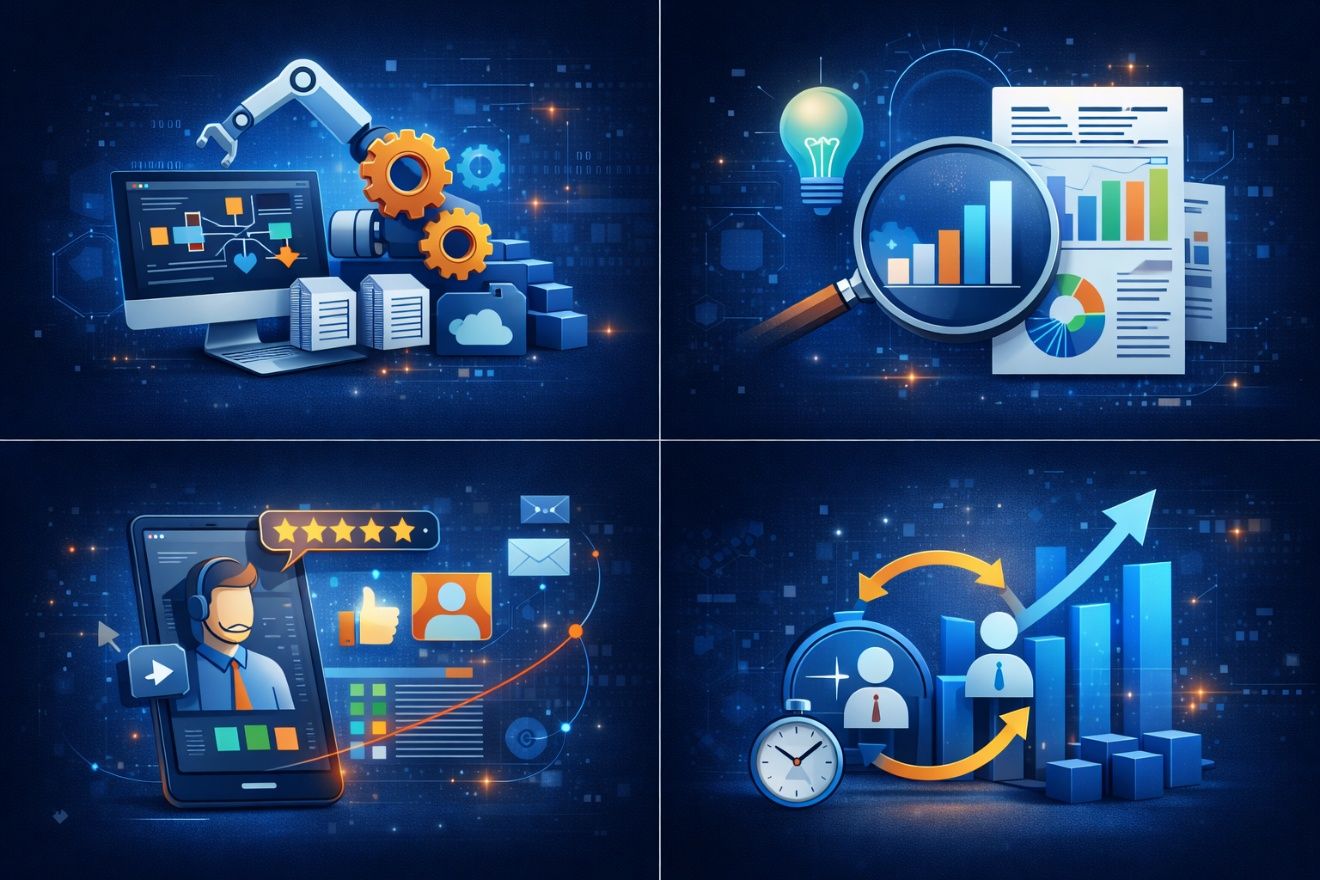
- Digitization of Processes
- Data-Driven Decision Making
- Redefining the Customer Experience
- Organizational Agility
- Why Digital Transformation Has Become Critical for Businesses
- The Shift of Competitive Advantage to Digital Competencies
- Digitalization of Business Models
- The Pervasiveness of Artificial Intelligence and Automation
- Key Benefits of Digital Transformation for Businesses
- The Future of Digital Transformation
What is Digital Transformation and Why is it Important?
Digital transformation is the process of reshaping working methods, decision-making structures, and value creation models by making digital technologies a fundamental part of business processes. However, this concept goes beyond simply referring to the use of technological tools; it represents a broader strategic transformation that encompasses organizational culture, process management, and customer relations.
In today's business world, gaining a competitive advantage is now associated with speed, flexibility, and the ability to make data-driven decisions rather than scale. This has transformed digital transformation from an optional investment for businesses into an indispensable necessity for long-term sustainability.
What is Digital Transformation?
Digital transformation is not just about supporting a business model with digital technologies, but fundamentally rebuilding the way business is conducted. The primary goal is to make manual and complex processes more measurable, automated, and integrated. In this context, digital technologies play a key role in both increasing efficiency and enabling more accurate decision-making.
What Digital Transformation Does Not Mean
Digital transformation does not simply mean revamping a website or purchasing new software. Simply migrating existing processes to digital platforms without making any changes is not considered true digital transformation. True transformation requires a holistic approach to re-evaluating business processes, organizational roles, and decision-making mechanisms.
Key Components of Digital Transformation
Digitization of Processes
Digital transformation is based on redesigning manual and repetitive business processes through digital systems. This approach minimizes time loss while reducing error rates and increasing operational efficiency.
Data-Driven Decision Making
During the digital transformation process, businesses make decisions based on measurable, analyzable, and interpretable data rather than intuition. A data-driven structure enables the development of more consistent strategies and the early detection of risks.
Redefining the Customer Experience
Digital transformation requires redesigning all points of contact with the customer to deliver a holistic experience. In this process, personalization, speed, and consistency are among the key factors that directly impact customer satisfaction.
Organizational Agility
Organizational structures that can adapt quickly to changing market conditions constitute an important aspect of digital transformation. Teams that use technology effectively play a critical role in increasing business competitiveness.
Why Digital Transformation Has Become Critical for Businesses
The Shift of Competitive Advantage to Digital Competencies
Businesses with a high level of digital maturity adapt more quickly to market dynamics. This enables them to gain both a cost advantage and operational flexibility.
Digitalization of Business Models
Subscription-based solutions, platform economies, and digital service models are transforming traditional ways of doing business. Digital transformation creates flexible and innovative structures that can adapt to these new business models.
The Pervasiveness of Artificial Intelligence and Automation
Artificial intelligence-powered technologies accelerate decision-making processes while reducing operational burden. Digital transformation paves the way for the strategic and efficient use of these technologies.
Key Benefits of Digital Transformation for Businesses
Digital transformation provides businesses with operational efficiency, cost control, strong customer relationships, and a scalable structure. It also ensures the creation of a robust digital infrastructure for sustainable growth.
The Future of Digital Transformation
Digital transformation is not a completed project; it is a dynamic process of continuous development. Advances in artificial intelligence, automation, and data technologies are expanding the boundaries of digital transformation every day. In the future, businesses that can maintain their competitive advantage will be those that not only use technology but also manage it strategically.
- Digital transformation refers to reshaping business processes with digital technologies. Key elements of this transformation include digitizing processes, data-driven decision-making, and improving the customer experience. In today's business world, digital transformation is vital for achieving a sustainable competitive advantage.
Digital Solutions for Financial Institutions
Where to Start the Digital Transformation Process?